
Srebrenica
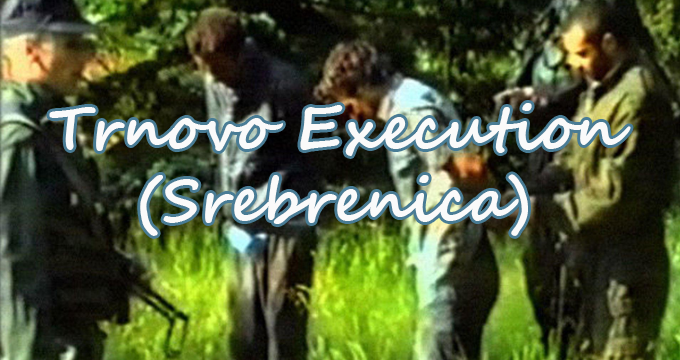
The cold-blooded killings, which occurred in the village of Trnovo after the fall of the eastern enclave of Srebrenica, were video-taped by the Scorpions, who can be seen laughing, smoking and taunting their

In June 2005, during cross-examination of a witness in the case against Slobodan Milošević[1] at the International Criminal Tribunal for the former Yugoslavia, the court viewed video footage showing a Serbian
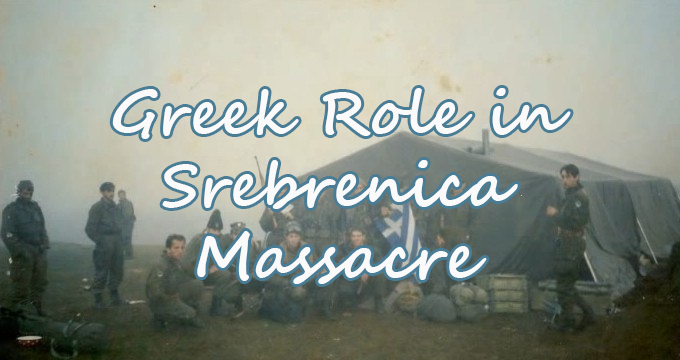
This documentary was made by Ingeborg Beugel, and proves the involvement of Greece in the Srebrenica-massacre and the Yugoslav-war. In the film Ms. Beugel has an encounter with Mr.Alexandros
Early History
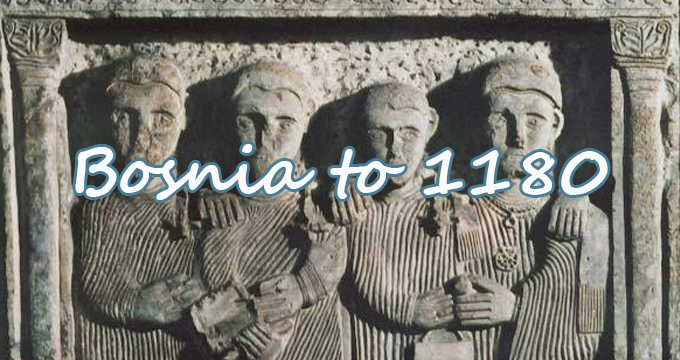
Racial history is the bane of the Balkans as anyone who has lived or travelled in this part of Europe will know, there is no such ting as a racially homogeneous province there, let alone a racially
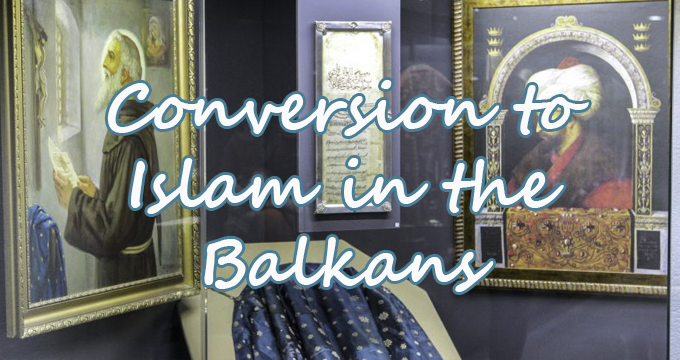
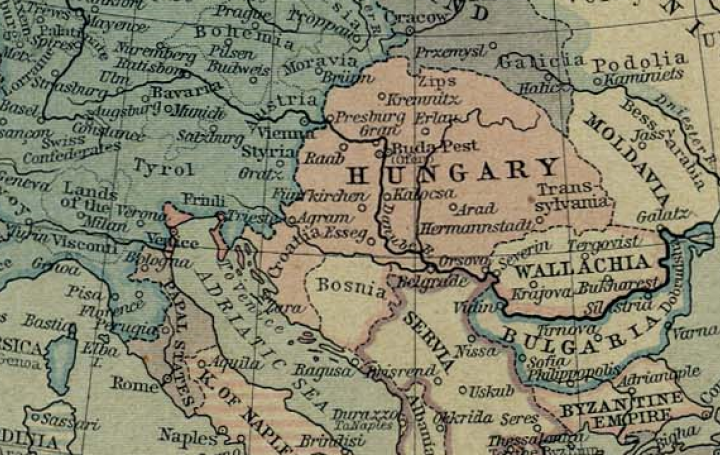
The conquest of the Balkans was accomplished in the space of little more than a century and in two stages—1352 to 1402 and 1415 to 1467. The main reason for the relatively faster pace of the conquest of this region,
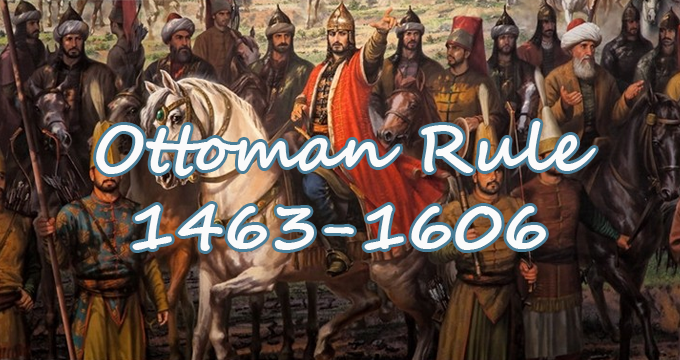
The Kingdom of Bosnia was conquered with great speed by the Turkish army in the early summer of 1463. From then on the heart lands of the old Banate of Bosnia, together with the foothold which the Turks had already
Modern History
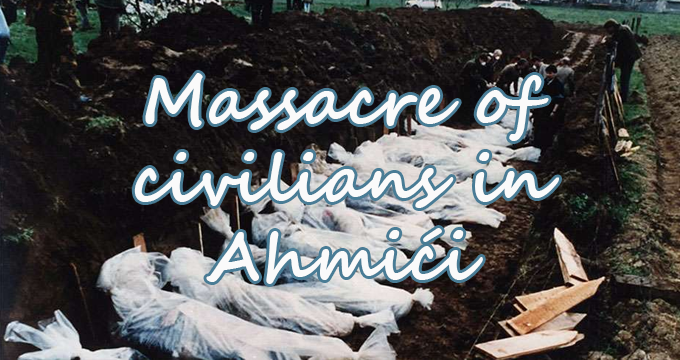
Ahmići massacre was the culmination of the Lašva Valley ethnic cleansing committed by the Croatian Community of Herzeg-Bosnia's political and military leadership on Bosnian Muslim (Bosniak) civilians

The Lašva Valley ethnic cleansing campaign against Bosniak civilians planned by the Croatian Community of Herzeg-Bosnia's political and military leadership from May 1992 to March 1993 and erupting the
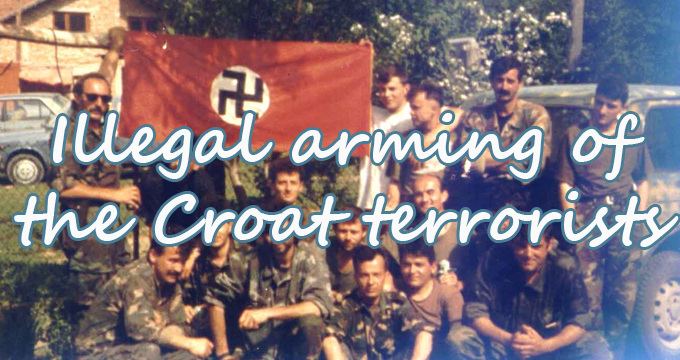
The participation of the Republic of Croatia in the aggression against the Republic of Bosnia and Herzegovina, besides its armed forces, can be positively determined on the basis of the logistical support
Current Affairs
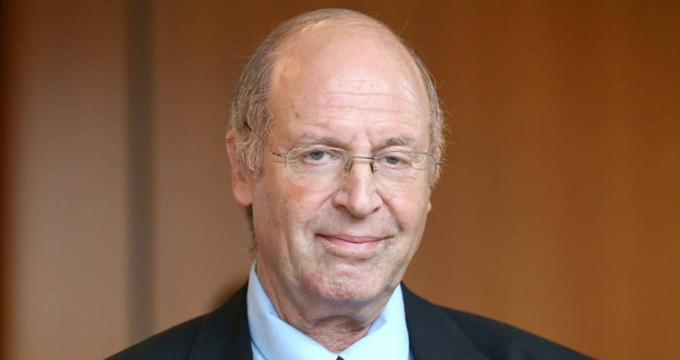
Israeli academic Gideon Greif was the head of the Independent International Commission of Inquiry (Greif Report). The commission was set up at the initiative of Milorad Dodik (Serb nationalist leader), a former prime

American Jewish Committee (AJC) today expressed deep concern about the efforts of some political factions in Bosnia-Herzegovina to remove the country’s legal ban on denial of the Holocaust and other genocides.
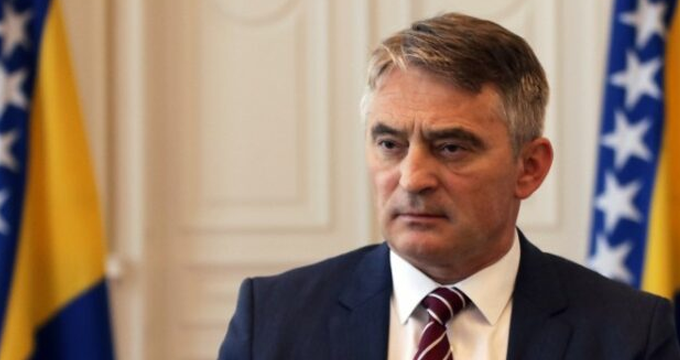
Ukraine’s valiant liberation struggle against the Russian Federation’s aggression and illegal occupation is undoubtedly the great geopolitical struggle of our time. The consequences of this conflict will have generational